
Let’s begin with fats you generally want to limit in your diet. First, we have saturated fats. According to the Cleveland Clinic, less than 7 percent of the calories from fat you consume each day should come from saturated fats. These are found in animal products like butter, whole milk, cheese, lard, bacon fat, red meat, and poultry skin. You can also find saturated fats in certain plant-based oils, including coconut oil and palm oil. Consuming too much saturated fat can raise LDL (“bad”) cholesterol, increasing your risk for heart disease and stroke.
Then, we have trans fats, which you should try to avoid entirely. Any food product that contains partially hydrogenated oils is likely to contain trans fats. These oils are common in processed foods like cookies and frozen pizza, although many states are beginning to set limits or even bans on trans fats. Still, it’s best to check for and avoid these fats whenever possible. Trans fats are especially harmful because they not only raise LDL cholesterol but also lower HDL (“good”) cholesterol, compounding cardiovascular risk. Reading labels carefully can help you avoid them.
Now that we’ve covered fats to limit, let’s focus on the healthy fats you want to include in your diet:
- Monounsaturated Fats (MUFAs)
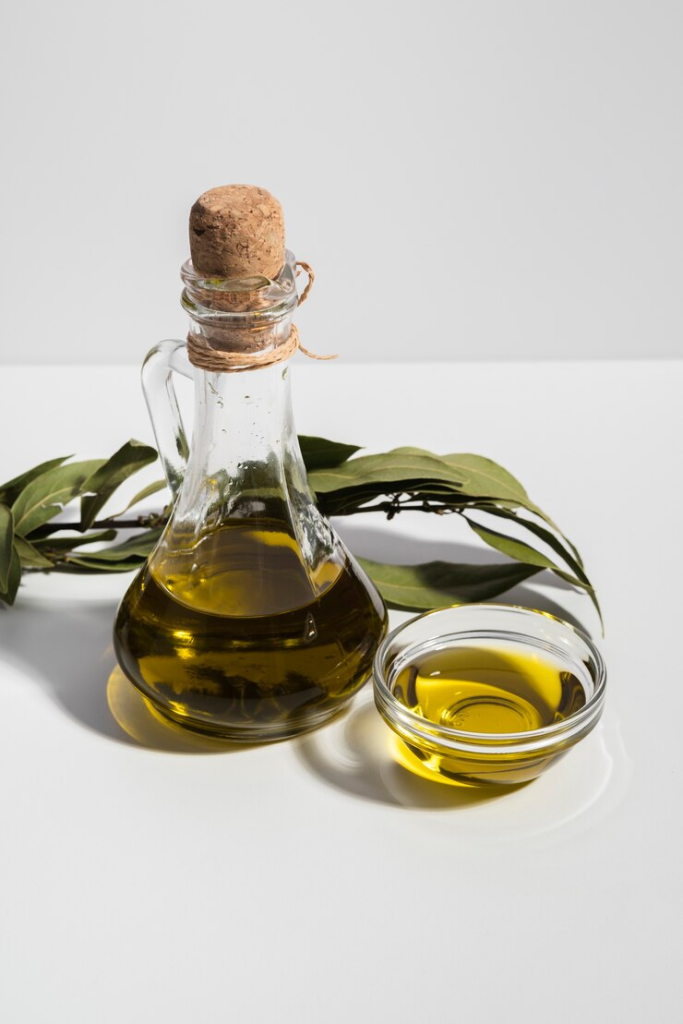
Found in foods like olive oil, avocado, and many nuts (almonds, cashews, peanuts), monounsaturated fats can help reduce LDL cholesterol levels and may support heart health. They are also rich in vitamin E, an antioxidant that protects your cells from damage. - Polyunsaturated Fats (PUFAs)
These include omega-3 and omega-6 fatty acids, which your body cannot produce on its own. Omega-3s, found in fatty fish (salmon, sardines, trout), flaxseeds, chia seeds, and walnuts, are particularly important for heart and brain health. Omega-6s are naturally present in many whole foods and can be part of a balanced diet when consumed in moderation.
Tips for Including Healthy Fats in Your Diet
- Swap butter with olive or avocado oil when cooking.
- Snack on a handful of nuts instead of processed snacks.
- Add fatty fish to your meals at least twice a week.
- Use nut butters (without added sugars or hydrogenated oils) as spreads.
Incorporating healthy fats while limiting saturated and trans fats can improve cholesterol levels, support heart and brain health, and even help you feel more satisfied after meals. Remember, fats are calorie-dense, so moderation is key, but choosing the right types of fat can make a big difference for long-term health.